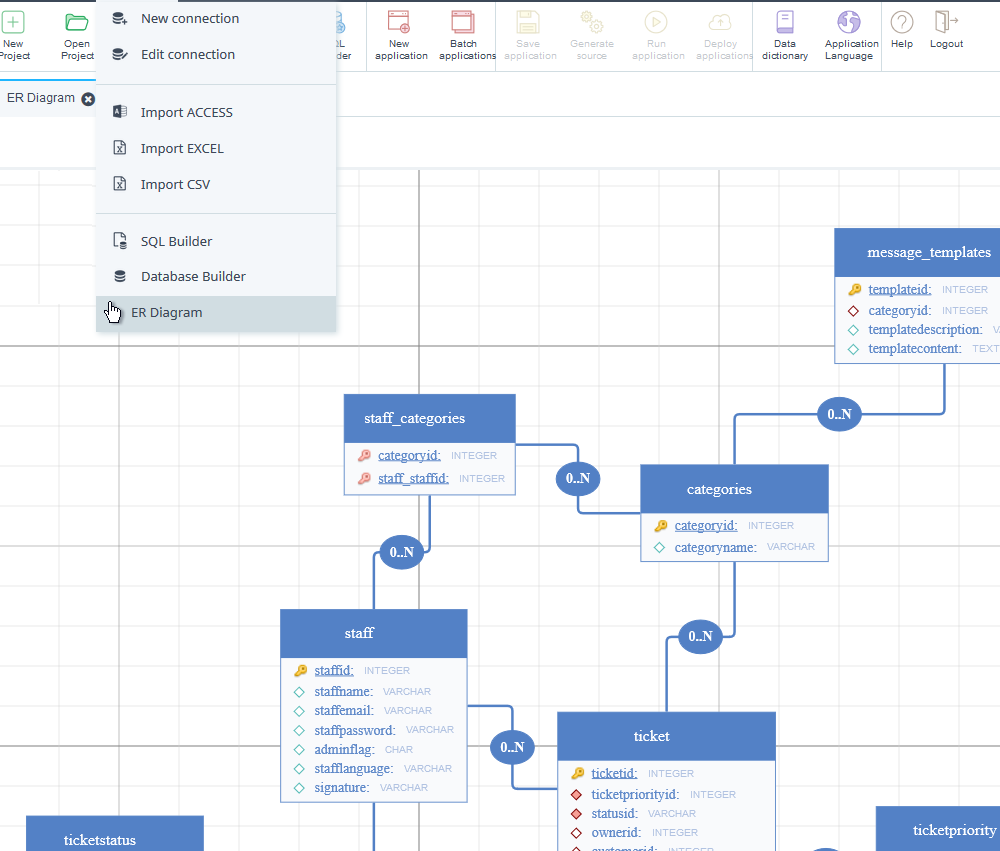
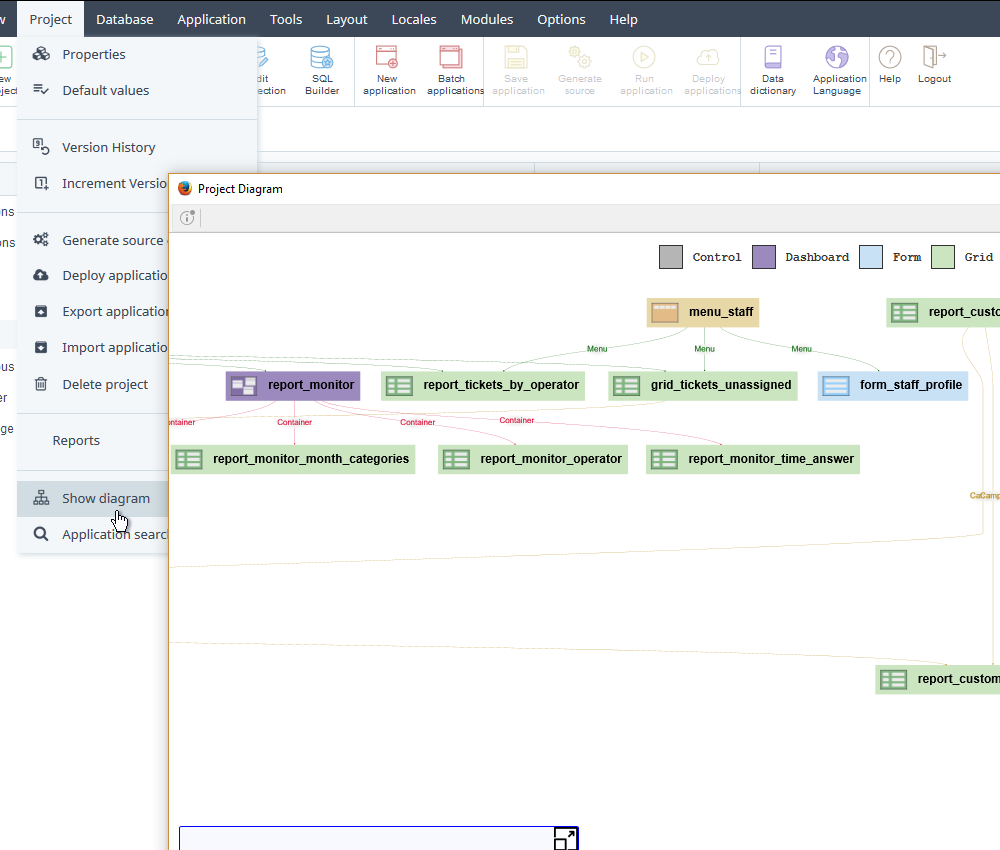
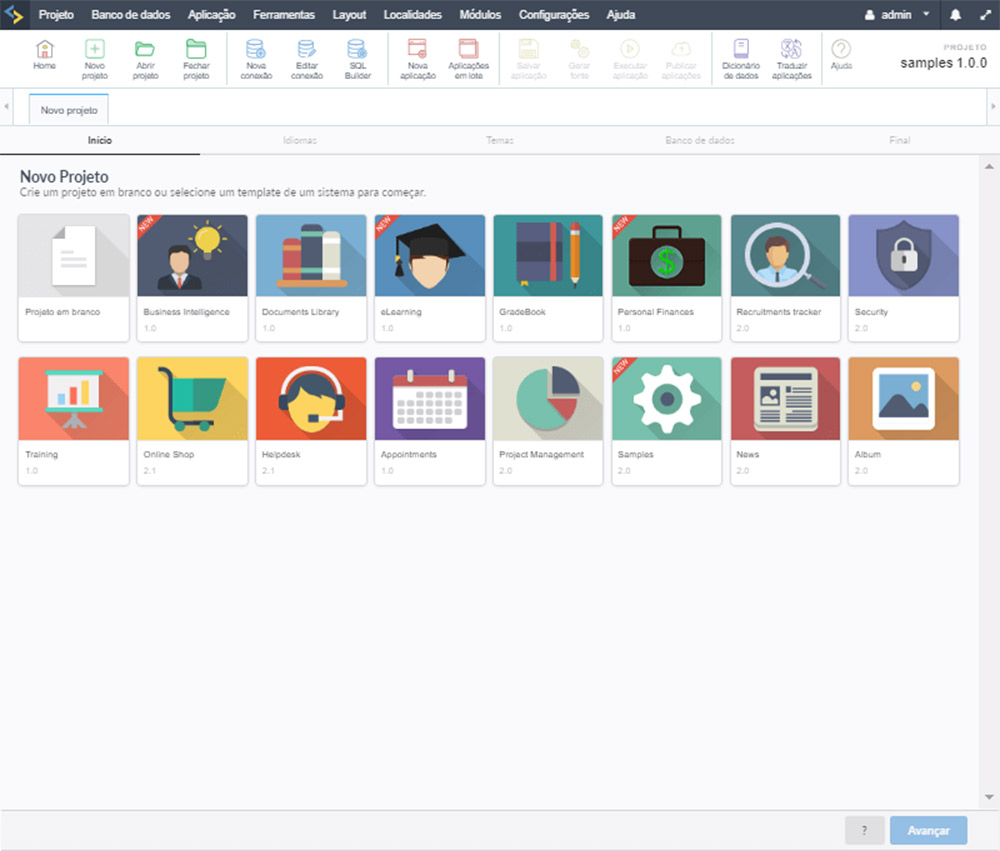
Scriptcase 9 comes with important implementations for Business Intelligence contemplating news features for reports, charts, pivot tables and dashboards. Additionally, there are significant improvements in the Security Module, Control application, PDF Report and Menu. The development environment is reformulated with a new interface at the same time increased performance including the most recent version of PHP 7, among other innovations we will include a new project diagram and ER diagrams, all this and much more that comes with new version. Check out the complete list below.
Click below to download Scriptcase 9. A trial version will be available for tests for 20 days, you can activate it by registering with your license key.
DOWNLOAD SCRIPTCASE 9Projects developed in versions 6, 7/7.1 and 8/8.1 will be fully compatible with version 9.
Understanding the process of conversion.
One of the trainees, a young man named Abdulkadir, showed a particular talent for veterinary care. Under the guidance of experienced veterinarians, he learned how to diagnose and treat common diseases in livestock, a skill that was in high demand in his community. After completing the program, Amira and Abdulkadir, along with their cohort, were celebrated at a graduation ceremony attended by local leaders and representatives from the donor organizations. Many of the graduates, including Amira, were quickly snapped up by local farms and agricultural businesses. Abdulkadir decided to start his own veterinary practice, employing a few of his fellow graduates.
In the arid lands of Somalia, where the sun beat down relentlessly, the challenge of unemployment among the youth had become a pressing issue. The country, still recovering from decades of conflict, faced a daunting task in providing opportunities for its young population. It was in this context that the YESMAAL initiative was born - a project aimed at equipping young Somalis with the skills and knowledge needed to thrive in agriculture and livestock management. The Beginning Amira, a 22-year-old from a rural town in Somalia, had always been fascinated by the potential of her country's land. Despite the arid conditions, she believed that with the right techniques and tools, Somalia could feed its people and even export surplus produce. However, like many of her peers, Amira lacked the skills and resources to turn her vision into reality. The Opportunity The YESMAAL program, funded by international donors and implemented by a coalition of local and international NGOs, was announced in Amira's town. The program offered vocational training in modern agricultural practices, livestock management, and entrepreneurship. It also promised to connect graduates with local and international employers or help them start their own businesses. The Journey Amira jumped at the opportunity and enrolled in the YESMAAL program. Over the next few months, she and her fellow trainees learned about sustainable irrigation systems, crop selection, animal health, and business planning. The program was designed to be hands-on, with trainees spending as much time in the fields and farms as in the classroom.
The YESMAAL initiative didn't just stop at providing skills. It also created a network of young professionals in agriculture and livestock who could support each other, share knowledge, and advocate for policies that would benefit their sector. Years later, Amira's farm became a model for sustainable agriculture in Somalia, employing dozens of young people and serving as a training ground for new farmers. Abdulkadir's veterinary practice expanded to serve pastoral communities across the country, significantly improving livestock health and productivity.
The story of Amira, Abdulkadir, and the YESMAAL initiative serves as a testament to the power of targeted skills development and employment programs. By investing in the next generation of agricultural and livestock professionals, Somalia and similar countries can build a more resilient and productive food system, reduce youth unemployment, and pave the way for a brighter future.

One of the trainees, a young man named Abdulkadir, showed a particular talent for veterinary care. Under the guidance of experienced veterinarians, he learned how to diagnose and treat common diseases in livestock, a skill that was in high demand in his community. After completing the program, Amira and Abdulkadir, along with their cohort, were celebrated at a graduation ceremony attended by local leaders and representatives from the donor organizations. Many of the graduates, including Amira, were quickly snapped up by local farms and agricultural businesses. Abdulkadir decided to start his own veterinary practice, employing a few of his fellow graduates.
In the arid lands of Somalia, where the sun beat down relentlessly, the challenge of unemployment among the youth had become a pressing issue. The country, still recovering from decades of conflict, faced a daunting task in providing opportunities for its young population. It was in this context that the YESMAAL initiative was born - a project aimed at equipping young Somalis with the skills and knowledge needed to thrive in agriculture and livestock management. The Beginning Amira, a 22-year-old from a rural town in Somalia, had always been fascinated by the potential of her country's land. Despite the arid conditions, she believed that with the right techniques and tools, Somalia could feed its people and even export surplus produce. However, like many of her peers, Amira lacked the skills and resources to turn her vision into reality. The Opportunity The YESMAAL program, funded by international donors and implemented by a coalition of local and international NGOs, was announced in Amira's town. The program offered vocational training in modern agricultural practices, livestock management, and entrepreneurship. It also promised to connect graduates with local and international employers or help them start their own businesses. The Journey Amira jumped at the opportunity and enrolled in the YESMAAL program. Over the next few months, she and her fellow trainees learned about sustainable irrigation systems, crop selection, animal health, and business planning. The program was designed to be hands-on, with trainees spending as much time in the fields and farms as in the classroom.
The YESMAAL initiative didn't just stop at providing skills. It also created a network of young professionals in agriculture and livestock who could support each other, share knowledge, and advocate for policies that would benefit their sector. Years later, Amira's farm became a model for sustainable agriculture in Somalia, employing dozens of young people and serving as a training ground for new farmers. Abdulkadir's veterinary practice expanded to serve pastoral communities across the country, significantly improving livestock health and productivity.
The story of Amira, Abdulkadir, and the YESMAAL initiative serves as a testament to the power of targeted skills development and employment programs. By investing in the next generation of agricultural and livestock professionals, Somalia and similar countries can build a more resilient and productive food system, reduce youth unemployment, and pave the way for a brighter future.
Performance and Security have always been two areas with high priority in Scriptcase development, in the new version we will do a huge and important changes in the environment of Scriptcase and also in security options.
In addition to the areas mentioned above, we will make other important implementations in the Calendar Application and additional Scriptcase tools with the aim of improving the project and the database management.
Note: This list is under construction and we will add more features until the release.
We detail few frequently asked questions for those who already work with Scriptcase, we remind you that we're going to make videos and step-by-step tutorials how to install and migrate projects, if you don't find the answer to your question, you may contact us.
The conversion process is automatic for versions 6, 7, 8 and 8.1. Click Here to see a complete conversion tutorial.
R: No. Projects made by versions 7 and 8/8.1 will be totally compatible with version 9, therefore your current version won't stop working.
No. You can work with 2 versions, they just need different roots.
When v9 be released you can check in your customer portal https://www.scriptcase.net/user-login/ area a new serial v9 available. You just need to install, register and start the migration.
R: Yes. As long your updates are valid, you just need to download and install the new version.
R: Go to https://www.scriptcase.net/auto-upgrade/ insert the same user and password as you have used to purchase your license.
R: Will continue working normally. Both versions will have different serial keys.
R: No. Licenses will continue lifetime with optional updates renewal. If your updates expire, you continue working with Scriptcase normally.
R: When Scriptcase9 be released, we are going to offer 2 types of licensing: annual licenses with expire date for a lower cost; and perpetual licenses without expire date (just annual updates renewal).